Mars: The Red Planet and Humanity’s Next Frontier
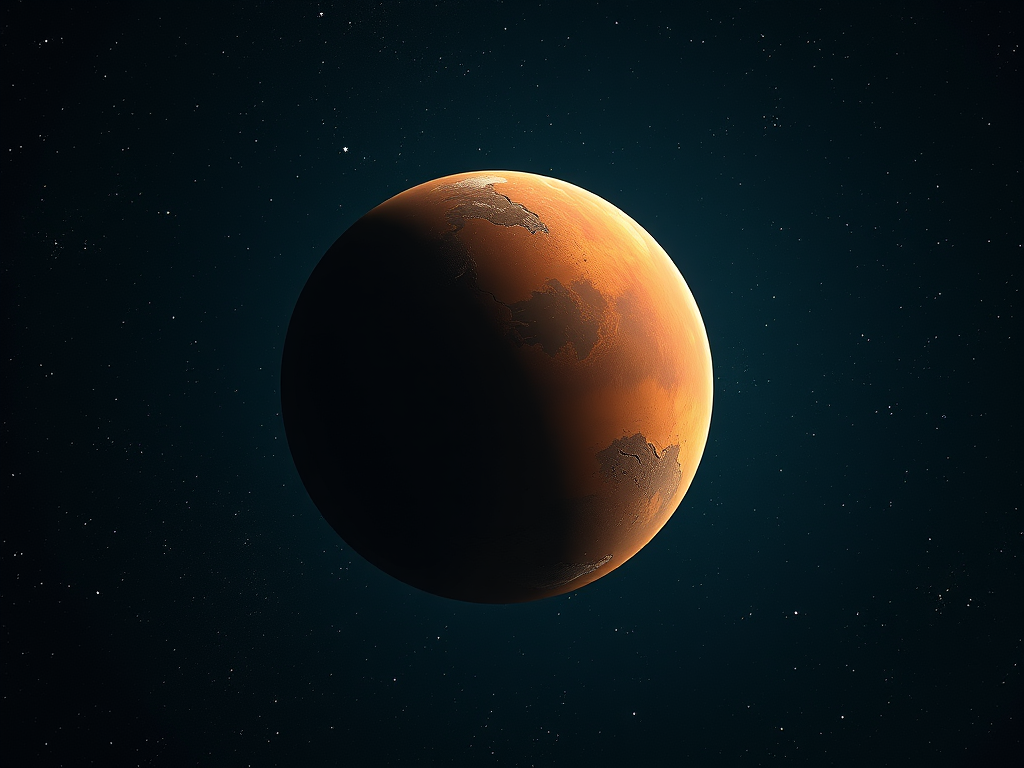
Mars has fascinated people for centuries. Known as the “Red Planet” because of its rusty color, it’s been a source of wonder, mystery, and countless stories. From ancient mythology to today’s space missions, Mars has always sparked our curiosity and desire to explore. Let’s dive into what makes Mars so captivating and why it’s become the focus of so many space adventures.
Why is Mars Red?
Mars gets its reddish color from iron oxide—basically, rust—that covers much of its surface. This unique hue makes it easy to spot in the night sky. For ancient cultures, its fiery appearance was linked to war and aggression, inspiring them to name it after their gods of war.
Mars vs. Earth: How They’re Alike and Different
Mars and Earth have some surprising similarities, but they also highlight just how unique our home planet is.
Similarities:
- Day Length: A day on Mars, or a sol, is almost the same as Earth’s—24.6 hours.
- Polar Ice Caps: Mars has ice caps at its poles that grow and shrink with the seasons, just like Earth’s.
- Seasons: Thanks to its tilted axis, Mars experiences seasons too.
Differences:
- Atmosphere: Mars’ atmosphere is super thin and mostly carbon dioxide, so it’s not exactly breathable.
- Temperature: It’s really cold on Mars—about -80°F (-60°C) on average.
- Gravity: Mars has only 38% of Earth’s gravity, so you’d weigh a lot less there.
Robots on Mars: Our Robotic Pioneers
Mars has had plenty of visitors—robotic ones, that is. These machines have helped us learn so much about the planet.
Past Missions:
- Mariner 4 (1965): The first spacecraft to send back pictures of Mars.
- Viking Landers (1976): These landers touched down on Mars and analyzed its soil.
Current Rovers:
- Curiosity (2012): Still going strong, this rover is studying Mars’ climate and geology.
- Perseverance (2021): Equipped with cutting-edge tech, Perseverance is hunting for signs of ancient life and collecting samples for a future return to Earth.
- Ingenuity Helicopter: This little helicopter made history as the first aircraft to fly on another planet.
Humans on Mars: Are We Getting Closer?
Sending humans to Mars has been a dream for decades, and we’re getting closer. Organizations like NASA and SpaceX are working hard to make it happen, but there are still big challenges:
- Radiation: Mars doesn’t have a magnetic field like Earth, so astronauts would be exposed to harmful cosmic rays.
- Survival: We’ll need to build habitats and life support systems that can keep people alive on Mars.
- Distance: Mars is really far away. A one-way trip takes six to nine months, so resupplying isn’t easy.
Could Mars Have Had Life?
One of the biggest questions about Mars is whether it ever supported life. Scientists think it used to be a warmer, wetter place with rivers, lakes, and maybe even oceans. They’ve found organic molecules in the soil, which could mean microbial life existed there billions of years ago.
What’s Next for Mars?
The future of Mars exploration is packed with exciting possibilities:
- Sample Return Missions: NASA and the European Space Agency (ESA) are working on bringing Martian soil samples back to Earth for detailed study.
- Human Colonies: Visionaries like Elon Musk dream of building self-sustaining colonies on Mars to make humanity a multi-planet species.
- Terraforming: Though still just an idea, some people imagine transforming Mars into a planet more like Earth.
Final Thoughts
Mars symbolizes our drive to explore and push boundaries. From robotic rovers to the dream of human settlers, the Red Planet holds the promise of discovery and a potential new home for humanity. As we look to the future, Mars reminds us that the universe is full of possibilities. Who knows? Maybe one day, “Martian” will mean more than just a character in a sci-fi story.
 Cosmic Watchers
Leave a comment