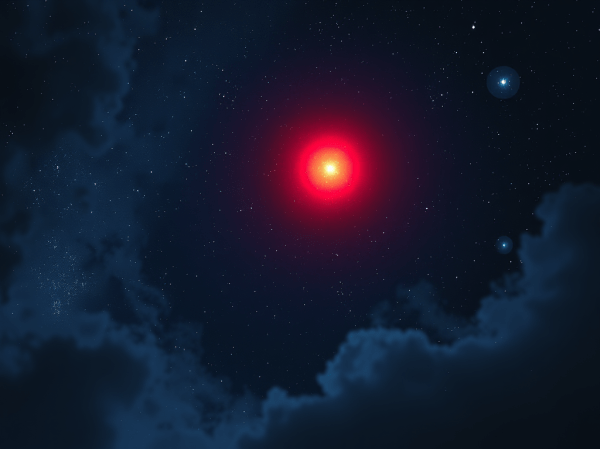
Oxygen in a Distant Galaxy: A Glimpse into the Universe’s Wild Youth

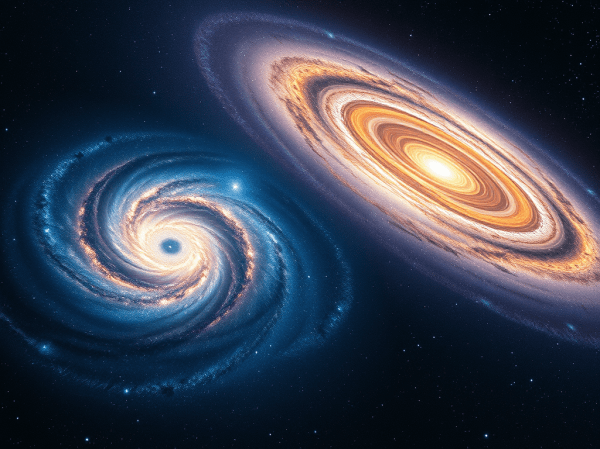
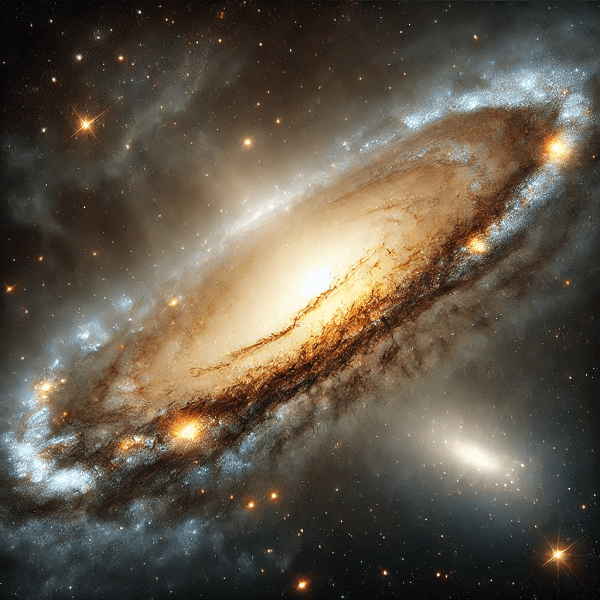
Astronomers recently confirmed JADES-GS-z14-0 as the most distant galaxy identified, located 13.4 billion light-years away. Its discovery of significant oxygen levels challenges prior assumptions about the universe's early development. Utilizing the James Webb Space Telescope and ALMA, researchers revealed the galaxy's advanced evolution, suggesting a more complex early universe than previously believed.

What If You Were Placed on the Moon for a Day

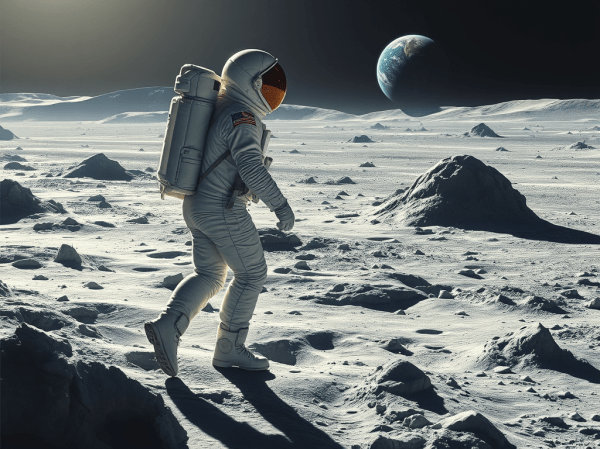
The experience of spending 24 hours on the Moon would be surreal and transformative. You would navigate its low gravity, encounter extreme temperature variations, and endure profound silence. The view of Earth would evoke a deep appreciation for our planet. Ultimately, this journey would instill a lasting sense of wonder and connection to home.

Epic Moon Walk

How Long Would It Take a Person to Walk Around the Moon? The Moon isn’t exactly set up for a casual hike, but let’s say you could just get up and start walking. How long would it take to hoof it all the way around? Well, that depends on a few things—like terrain, spacesuit limitations,... Continue Reading →

Betelgeuse: The Dying Giant of Orion

Betelgeuse, a red supergiant in Orion, is nearing the end of its life and may explode in a supernova, creating a spectacular celestial display. Its explosion will be brighter than the Moon and visible during the day. Despite its power, it poses no threat to Earth, offering a unique opportunity for scientific study.

Why Are Stars So Hot? The Process Explained

Why Are Stars Hot? Stars are fiery giants because of gravity and nuclear fusion. If a mass of gas—at least 80 times Jupiter’s size—collapses under its own gravity, the intense pressure ignites fusion, turning hydrogen into helium and releasing enormous energy. This process generates immense heat and light, making stars shine for billions of years.... Continue Reading →

Life Beyond Mars: Could It Exist on Icy Moons?

Exploring beyond Mars, we find giant planets and their moons, particularly Europa, a potentially life-hosting moon of Jupiter. Covered in ice, it may harbor a hidden ocean teeming with life, similar to Earth's icy regions. Upcoming missions aim to uncover signs of life, marking Europa as a key focus in extraterrestrial research.

Create a website or blog at WordPress.com

Up ↑