What If the Moon Were the Size of Jupiter?

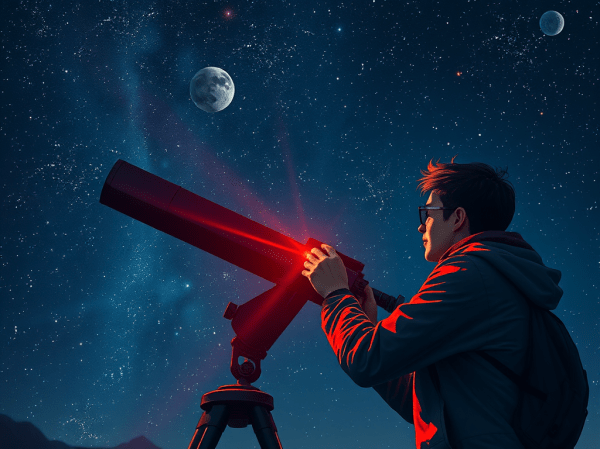
Imagine stepping outside at night and looking up—not at the familiar glowing Moon, but at an enormous celestial giant, as big as Jupiter, dominating the sky. Its swirling clouds and massive storms stretch across the heavens, filling half the sky with an overwhelming presence. But the breathtaking view is just the beginning—because life on Earth... Continue Reading →

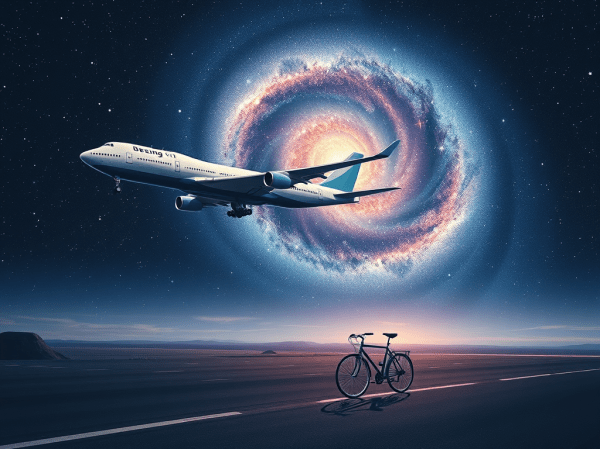
Traveling Across Galaxies: A Journey to M33 and M31

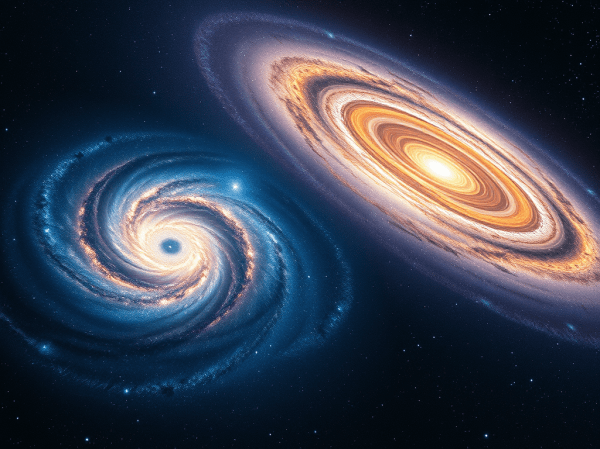
Understanding the Vastness of Space When considering intergalactic travel, distances become nearly incomprehensible. The Milky Way is just one of billions of galaxies in the universe, and our closest galactic neighbors—Andromeda (M31) and Triangulum (M33)—are still millions of light-years away. What is a Light-Year? A light-year is the distance that light travels in one year... Continue Reading →

Oxygen in a Distant Galaxy: A Glimpse into the Universe’s Wild Youth

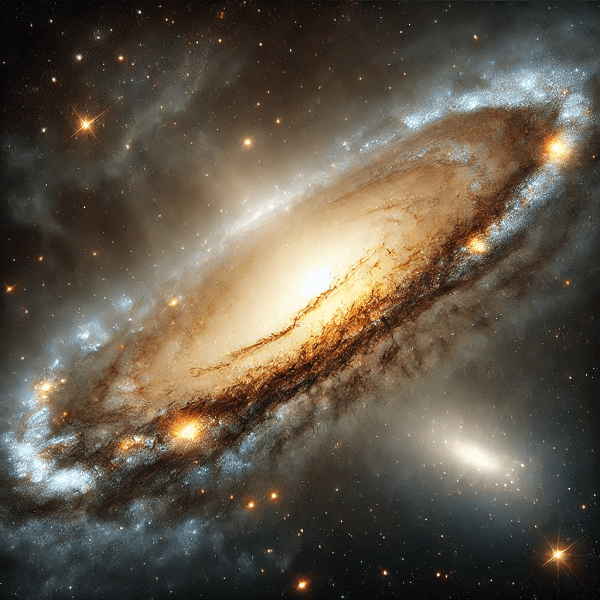
Astronomers recently confirmed JADES-GS-z14-0 as the most distant galaxy identified, located 13.4 billion light-years away. Its discovery of significant oxygen levels challenges prior assumptions about the universe's early development. Utilizing the James Webb Space Telescope and ALMA, researchers revealed the galaxy's advanced evolution, suggesting a more complex early universe than previously believed.

Why Are Stars So Hot? The Process Explained

Why Are Stars Hot? Stars are fiery giants because of gravity and nuclear fusion. If a mass of gas—at least 80 times Jupiter’s size—collapses under its own gravity, the intense pressure ignites fusion, turning hydrogen into helium and releasing enormous energy. This process generates immense heat and light, making stars shine for billions of years.... Continue Reading →

Create a website or blog at WordPress.com

Up ↑